The sleek, modern aesthetic of a glass cooktop can elevate any kitchen, but the frustration of burnt-on food stains can quickly diminish its appeal. Those stubborn, caramelized messes seem almost impossible to tackle without the fear of scratching the delicate surface. If you’ve ever found yourself battling unsightly black marks after a cooking mishap, you know the challenge. This guide is designed to empower you with the knowledge and techniques to effectively and safely remove even the most resilient burnt-on food, restoring your glass cooktop to its pristine, sparkling condition. We’ll explore a range of solutions, from common household items to specialized commercial products, ensuring you can confidently conquer any cooking mess.
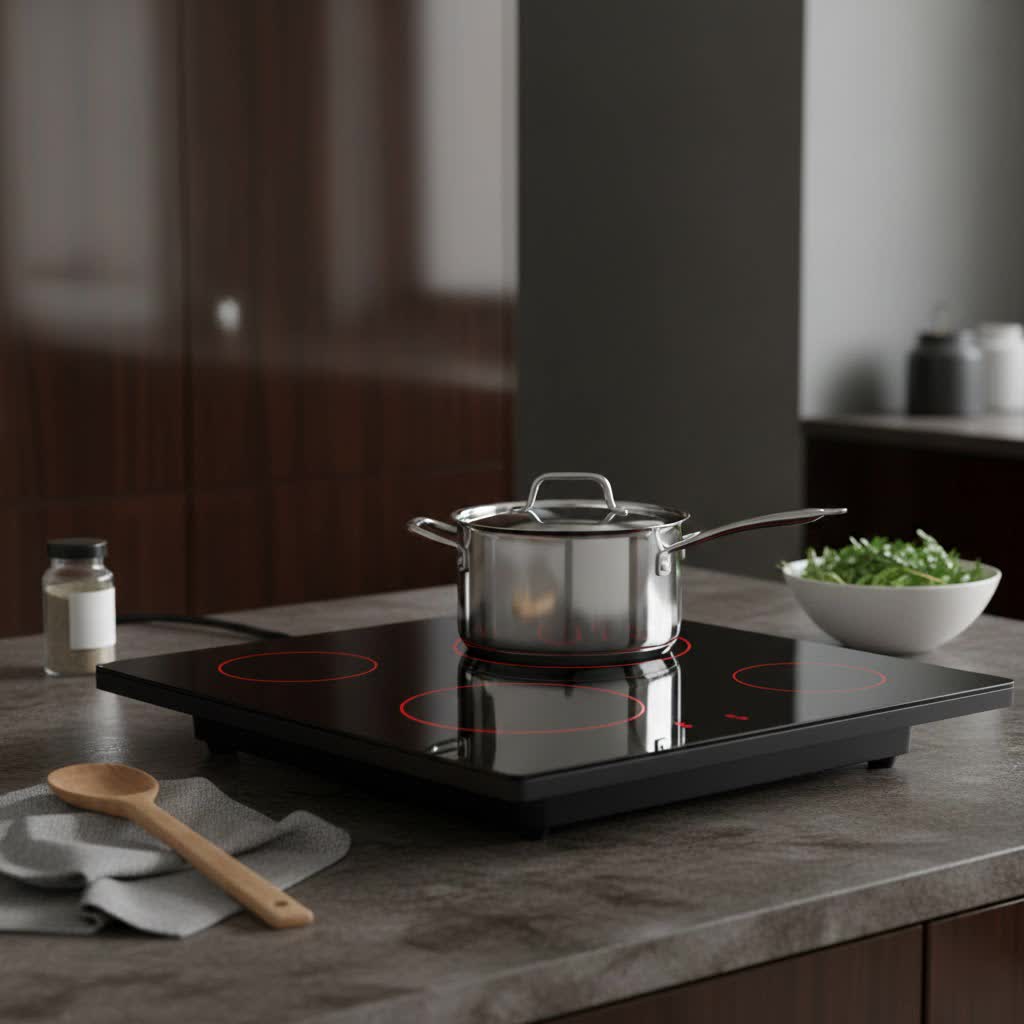
Understanding Burnt-On Food and Glass Cooktops
Before diving into cleaning methods, it’s helpful to understand why burnt food adheres so tenaciously to glass cooktops and why careful cleaning is paramount.
Why Burnt Food Sticks to Glass Cooktops
Table is empty.Glass cooktops, including induction and ceramic models, are designed for efficient heat transfer. However, when food spills onto the hot surface, sugars and starches rapidly carbonize and bake onto the glass. This intense heat creates a strong bond between the burnt residue and the smooth surface, making it incredibly difficult to remove with just a simple wipe. The longer the food sits and the higher the heat, the more stubborn the stain becomes, transforming into a hard, crusty layer.
The Importance of Safe Cleaning Practices
The smooth, reflective surface of a glass cooktop is beautiful but also susceptible to damage. Using abrasive cleaners, harsh scrubbing pads, or incorrect techniques can lead to irreversible scratches, etching, or dull spots. These not only mar the cooktop’s appearance but can also impact its performance and make future cleaning more challenging. Therefore, prioritizing gentle yet effective methods is crucial to maintaining the integrity and longevity of your appliance. Always ensure your cooktop is completely cool before starting any cleaning process.
DIY Solutions for Burnt-On Food
Many effective cleaners for burnt-on food can be found right in your pantry, offering an economical and often eco-friendly approach to tackling tough stains. These methods often rely on softening the burnt residue before it can be gently removed.
Baking Soda and Vinegar: The Classic Combo
This dynamic duo is a powerhouse for many household cleaning tasks, and glass cooktops are no exception. Baking soda acts as a mild abrasive, while vinegar’s acidity helps to break down grime and grease.
To use this method:
- Ensure the cooktop is cool.
- Sprinkle a generous layer of baking soda over the burnt-on areas.
- Spray white vinegar directly onto the baking soda. A fizzing reaction will occur, which helps to loosen the burnt food.
- Allow the mixture to sit for 15-30 minutes, or even longer for very tough stains.
- Place a hot, damp towel over the treated areas (optional, but enhances effectiveness by creating a warm, steamy environment).
- After soaking, gently scrub with a non-abrasive sponge or microfiber cloth.
- Wipe clean with a damp cloth and then dry thoroughly.
Dish Soap and Hot Water
For lighter burnt-on messes or as a pre-treatment for more severe stains, a simple combination of dish soap and hot water can work wonders by helping to break down grease and soften residue.
- Wait until the cooktop is cool.
- Apply a few drops of dish soap directly onto the burnt spots.
- Cover the areas with a hot, damp cloth (or paper towels soaked in hot water).
- Let it sit for at least 15-20 minutes.
- Gently rub the softened residue with the cloth or a soft sponge.
- Wipe clean and dry.
Lemon Juice and Baking Soda
Similar to vinegar, lemon juice provides natural acidity, and when combined with baking soda, it creates a gentle yet effective cleaning paste that can help lift stains.
- Ensure the surface is cool.
- Sprinkle baking soda over the burnt areas.
- Squeeze fresh lemon juice over the baking soda to create a paste. You can also mix them in a bowl first.
- Allow the paste to sit for 10-15 minutes.
- Gently scrub with a non-abrasive sponge.
- Wipe away the residue with a damp cloth.
Hydrogen Peroxide (for deep cleaning)
For extremely stubborn, deeply set burnt marks, hydrogen peroxide can be a more aggressive but effective DIY option. Use this method with caution and consider it a deep cleaning solution.
- Ensure the cooktop is cool.
- Sprinkle a layer of baking soda over the burnt areas.
- Pour a small amount of hydrogen peroxide (3%) directly onto the baking soda to form a thick paste.
- Cover the treated areas with plastic wrap and leave it overnight, or for at least a few hours. This helps the solution penetrate and soften the burnt residue.
- The next day, remove the plastic wrap and gently scrub the paste and residue with a non-abrasive scrubber.
- Wipe clean with a damp cloth and dry.
Top Commercial Cleaners for Glass Cooktops
When DIY methods aren’t quite enough, or for regular maintenance that ensures a sparkling finish, specialized commercial cleaners designed for glass cooktops are often the most effective solution.
Weiman Glass Cook Top Cleaner and Polish
Often cited as a top choice, Weiman’s cleaner is formulated specifically for glass and ceramic cooktops. It’s known for its ability to cut through tough burnt-on food while leaving a streak-free shine. Many formulations also come with a polishing agent that helps protect the surface.
- Features: Non-abrasive, cleans, shines, and protects.
- Benefits: Highly effective on baked-on stains, prevents future marks, leaves a glossy finish.
- Application: Apply a small amount to the cool cooktop, scrub with a non-abrasive pad or paper towel, and then buff with a clean, dry cloth.
Bar Keepers Friend Cooktop Cleaner
While Bar Keepers Friend has several products, their Cooktop Cleaner is specifically designed to tackle baked-on messes on glass and ceramic surfaces. Its mild abrasive nature, when used correctly, can lift stains without scratching.
- Features: Multipurpose, non-abrasive formula (when used as directed).
- Benefits: Excellent for stubborn stains and hard water spots, can also be used on other kitchen surfaces.
- Application: Apply a small amount, rub gently with a soft sponge or cloth, let sit for a minute, then rinse and wipe clean.
Cerama Bryte Cooktop Cleaner
Cerama Bryte is another highly-rated cleaner that often comes in kits with a scraper and cleaning pads. It’s specifically formulated to remove burnt-on food and residue from smooth cooktop surfaces without scratching.
- Features: Non-abrasive, provides protection against scratching and abrasion.
- Benefits: Effectively cleans and polishes, often recommended by appliance manufacturers.
- Application: Apply to a cool surface, scrub with the included pad or a soft cloth, then buff with a dry towel.
Other Recommended Products
- Scrub Daddy Stove and Cooktop Cleanser: A newer option that combines effective cleaning with the versatility of Scrub Daddy sponges.
- Easy-Off Oven Cleaner: Use with extreme caution and as a last resort. Some users report success, but it’s a very harsh chemical not typically recommended for glass cooktops. Always spot test in an inconspicuous area, ensure excellent ventilation, and avoid contact with any plastic or rubber components. Do not leave on for extended periods.
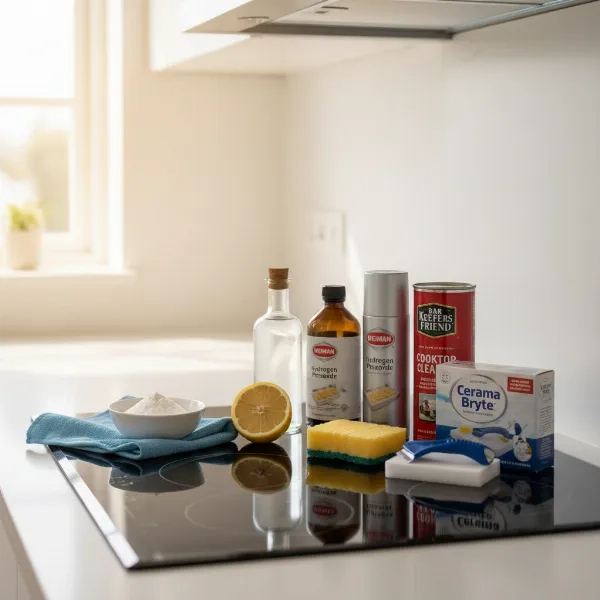 A selection of effective cleaning products for glass cooktops, including DIY ingredients and commercial solutions, arranged neatly on a kitchen counter.
Essential Tools for Effective Cleaning
Beyond the cleaning solutions themselves, certain tools are indispensable for safely and efficiently removing burnt-on food from your glass cooktop.
Razor Blade Scraper: Your Secret Weapon
A specialized razor blade scraper, often included in cooktop cleaning kits, is arguably the most effective tool for tackling heavily carbonized food. The key is to use it correctly to prevent any damage.
- How to use safely: Always hold the razor blade at a very shallow 45-degree angle or flatter against the glass. Apply gentle, even pressure and use short, consistent strokes. Never use the corner of the blade, as this can easily scratch or etch the glass.
- Types: Look for scrapers specifically designed for cooktops, which often have a comfortable handle and a retractable blade for safety.
Microfiber Cloths and Non-Abrasive Sponges
These are your go-to tools for applying cleaners and wiping away residue.
- Microfiber cloths: Excellent for buffing, drying, and achieving a streak-free shine. Their soft fibers effectively pick up grime without scratching.
- Non-abrasive sponges: Ideal for scrubbing with cleaning pastes or liquids. Ensure they are labeled as “non-scratch” or safe for delicate surfaces. Avoid standard green scouring pads or steel wool, which will severely scratch your cooktop.
Step-by-Step Guide to Removing Stubborn Burnt-On Stains
Follow these steps for a methodical approach to tackling even the most challenging burnt-on food on your glass cooktop.
- Cool the Cooktop: Always ensure the cooktop is completely cool to the touch before applying any cleaning agents or tools. Cleaning a hot surface can cause chemical reactions, burns, or even crack the glass.
- Apply Your Chosen Solution: Liberally apply your preferred DIY paste (baking soda/vinegar, baking soda/lemon, or baking soda/hydrogen peroxide) or a commercial cooktop cleaner directly onto the burnt-on areas.
- Allow for Dwell Time and Covering: Let the cleaner sit for the recommended time (15 minutes to overnight, depending on the product and stain severity). For DIY pastes, covering the area with a hot, damp towel or plastic wrap can significantly enhance penetration and softening.
- Scraping with Caution: For stubborn, raised burnt spots, carefully use a razor blade scraper. Hold it at a 45-degree angle to the glass and gently push to lift the burnt residue. Work slowly and methodically, ensuring you’re always scraping at the correct angle.
- Wiping and Polishing: After scraping and/or scrubbing with a non-abrasive sponge, wipe away all loosened residue and cleaner with a damp microfiber cloth. Rinse the cloth frequently to remove debris. Finish by buffing the surface with a clean, dry microfiber cloth to achieve a streak-free, polished shine. Repeat if necessary.
Prevention is Key: Keeping Your Glass Cooktop Pristine
The best way to deal with burnt-on food is to prevent it in the first place. A few simple habits can keep your glass cooktop looking new.
- Wipe Spills Immediately: As soon as the cooktop is cool enough, wipe up any spills or splatters. Don’t let them sit and bake on during the next cooking session.
- Use Correct Cookware: Use flat-bottomed pots and pans that match the size of your burner. Cookware with rough or warped bottoms can create hotspots and lead to more burning and potential scratching. Avoid cast iron unless specifically recommended by your cooktop manufacturer, as it can scratch the surface.
- Avoid Dragging Pots: Lift pots and pans rather than sliding them across the glass surface to prevent scratches.
- Regular Gentle Cleaning: Incorporate a quick wipe-down with a glass cooktop cleaner or a baking soda/vinegar solution after each use to prevent buildup and keep the surface gleaming.
Common Mistakes to Avoid When Cleaning Glass Cooktops
Avoiding these common pitfalls will help protect your investment and ensure your cooktop remains in excellent condition.
- Using Abrasive Pads or Cleaners: Steel wool, green scouring pads, and abrasive powdered cleansers will permanently scratch your glass cooktop. Stick to microfiber cloths and non-scratch sponges.
- Cleaning When Hot: Never attempt to clean a hot cooktop. Not only is it a burn hazard, but sudden temperature changes can damage the glass, and some cleaners can bake onto the surface.
- Using Incorrect Razor Blade Angle: Holding the razor blade perpendicular to the surface or using its corners will inevitably scratch or gouge the glass. Always maintain a shallow angle.
- Allowing Spills to Sit: The longer burnt-on food remains, the harder it is to remove. Address spills as soon as the cooktop cools.
- Using Harsh Household Cleaners: Products like oven cleaner (unless specifically mentioned with extreme caution), window cleaner, or general-purpose kitchen sprays may not be suitable and could leave streaks or damage the surface.
Expert Tips for a Sparkling Finish
Beyond basic cleaning, a few expert tips can help you achieve a truly spotless and gleaming glass cooktop.
- Polishing for Shine: After cleaning, use a dedicated glass cooktop polish (often combined with the cleaner, like Weiman) or even a small amount of mineral oil to buff the surface. This not only enhances the shine but can also help repel future spills and make cleaning easier.
- Dealing with Hazy Spots: If you notice a persistent haze or cloudy spots, it might be mineral deposits from hard water or residual cleaner. A thorough wipe with pure white vinegar followed by a dry buffing with a microfiber cloth can often resolve this.
- Consistency is Key: The most important tip is consistency. Regular, gentle cleaning after each use will prevent major burnt-on disasters and ensure your cooktop always looks its best.
“A well-maintained glass cooktop isn’t just about aesthetics; it’s about extending the life of your appliance and making your daily cooking experience more enjoyable. Proactive cleaning habits far outweigh the effort of tackling stubborn, neglected stains.” – Chef Elena Rodriguez, Culinary Technology Expert
Conclusion
Conquering burnt-on food on your glass cooktop doesn’t have to be a dreaded chore. By understanding the nature of these stubborn stains and employing the right combination of DIY solutions, specialized commercial cleaners, and essential tools, you can restore your cooktop to its original glory. Remember the power of baking soda and vinegar, the efficacy of dedicated cooktop cleaners like Weiman or Bar Keepers Friend, and the indispensable role of a razor blade scraper used with care. Most importantly, embrace preventive habits and regular, gentle cleaning to minimize future headaches. With these strategies, a gleaming, spotless glass cooktop is always within reach.
What’s your go-to method for keeping your glass cooktop impeccably clean?
FAQ
Can I use steel wool on my glass cooktop?
Absolutely not. Steel wool is highly abrasive and will permanently scratch and damage the smooth surface of your glass cooktop, leading to irreversible aesthetic and potential performance issues. Always use non-abrasive cloths or sponges.
How often should I clean my glass cooktop?
For best results and to prevent burnt-on food from accumulating, it’s recommended to wipe down your glass cooktop after each use once it has cooled. Deep cleaning with specialized products should be done as needed, typically weekly or when stubborn stains appear.
Will burnt food permanently damage my glass cooktop?
While persistent burnt-on food can be very difficult to remove and may leave a faint shadow if left for too long, it typically doesn’t cause permanent damage to the glass itself, assuming appropriate cleaning methods are used. However, improper cleaning can lead to permanent scratches.
Can I use oven cleaner on a glass cooktop?
Using oven cleaner on a glass cooktop is generally not recommended by manufacturers due to its harsh chemicals. If considering it for extremely tough, burnt-on stains as a last resort, proceed with extreme caution, spot test in an inconspicuous area, ensure good ventilation, and follow product instructions precisely for limited contact time. Avoid contact with plastic or rubber parts.
What’s the best way to prevent burnt-on food?
The best prevention methods include wiping up spills immediately once the cooktop is cool, using cookware with flat bottoms that match burner size, avoiding dragging pots across the surface, and regularly cleaning with a mild cooktop cleaner to prevent buildup.