Cast iron skillets are revered kitchen workhorses, prized for their exceptional heat retention, even cooking, and the potential for a naturally non-stick surface that improves with age. However, a common concern among home cooks is how to use and maintain these cherished pans without incurring unsightly scratches, either on the skillet’s cooking surface or, crucially, on delicate modern cooktops. Understanding the unique properties of cast iron and employing proper techniques can ensure your skillet remains a joy to use for generations, free from unnecessary damage.
Understanding Your Cast Iron: Bare vs. Enameled
The term “cast iron” often brings to mind the classic, dark, porous skillet. However, it’s vital to distinguish between bare (or traditional) cast iron and enameled cast iron, as their care requirements, especially regarding scratch prevention, differ significantly.
The Magic of Seasoning in Bare Cast Iron
Table is empty.Bare cast iron skillets are raw iron that has been treated with layers of polymerized oil, known as seasoning. This seasoning creates a naturally non-stick, protective layer that not only enhances cooking performance but also acts as a barrier against rust and, to a large extent, minor scratches. A well-seasoned bare cast iron skillet is remarkably durable. Contrary to popular belief, a good layer of seasoning makes bare cast iron tough, and metal utensils are unlikely to scratch it out. This protective layer is built up through regular use, particularly with oil-based cooking, and proper maintenance.
Enameled Cast Iron: A Different Surface, Different Care
Enameled cast iron, such as that made by Le Creuset, features a vitreous enamel coating over the iron. This enamel provides a non-reactive, often colorful, and aesthetically pleasing surface that doesn’t require seasoning and can handle acidic foods without issue. However, the enamel surface is more susceptible to scratching and chipping than bare cast iron’s seasoned surface. Le Creuset explicitly states that knives and other sharp metal utensils should never be used, as they can scratch the enamel cooking surface. Similarly, harsh abrasive cleaning agents or metal cleaning pads are strictly forbidden, as they can damage the enamel.
Essential Steps Before You Cook: Preventing Initial Damage
Proactive measures taken before you even start cooking play a crucial role in safeguarding your cast iron skillet from scratches and ensuring its longevity.
Proper Seasoning: Your First Line of Defense
For bare cast iron, initial and ongoing seasoning is paramount. Seasoning involves applying a thin layer of unsaturated cooking oil (like vegetable, corn, or canola oil) to all surfaces of the skillet and then heating it to a high temperature (around 450°F / 230°C) for an extended period, typically 30 minutes. This process polymerizes the oil, creating a hard, plastic-like coating. Repeat this oiling and heating process three to four times until the pan appears distinctly black. A robust seasoning layer provides a natural non-stick surface, reducing the need for aggressive scraping that could lead to scratches. Avoid cooking highly acidic foods in a newly seasoned pan, as acid can strip the nascent seasoning layer.
Preheating Your Skillet Correctly
Proper preheating is critical for all cast iron, enhancing its non-stick properties and preventing food from sticking, which in turn reduces the need for harsh scraping. Place your skillet on a medium heat setting and allow it to come up to temperature gradually, without anything in it. For optimal non-stick performance, particularly with bare cast iron, some experts recommend preheating until a slight smoke or steam appears before adding fat [cite: 4 in concise search]. This ensures even heat distribution and creates a surface less prone to food adhesion.
Choosing the Right Cooking Oils
The type of oil used for cooking and seasoning can impact your cast iron’s performance and durability. For seasoning bare cast iron, highly unsaturated fats like vegetable, corn, or canola oil are recommended as they polymerize more effectively. When cooking, a small amount of oil or fat should be added to the cooking surface before heating begins to improve flavor and browning. Ensure the oil never gets hot enough to smoke excessively, as this can degrade both the oil and the pan’s surface.
Utensils and Techniques: Cooking Without Scratches
The tools you use and the way you handle them during cooking directly influence whether your cast iron skillet remains scratch-free.
Selecting Scratch-Safe Utensils
For enameled cast iron, the recommendation is clear: use silicone, wooden, or other heat-resistant tools. Sharp metal utensils, like knives, should never be used on the enamel surface to avoid marking and scratching. Similarly, avoid knocking metal utensils on the rim, which can cause chipping.
For bare cast iron, the situation is different. A well-maintained and adequately seasoned bare cast iron skillet is quite resilient. You can use metal spatulas and other metal tools without fear of scratching out the seasoning. However, it’s always wise to exercise care, avoiding excessive force or scraping motions that could potentially dislodge food debris and impact the seasoning over time. Wooden or silicone tools are still excellent choices for bare cast iron, providing peace of mind and gentler contact.
Gentle Cooking Practices: Stirring and Flipping
Regardless of the type of cast iron, gentle cooking practices are key to preventing scratches. Avoid aggressively scraping the pan’s surface when stirring or flipping food. Instead, use the utensil to lift and turn ingredients, allowing the pan’s heat and the seasoning (for bare cast iron) to do most of the work in releasing food. If food is sticking, it often indicates insufficient preheating, not enough fat, or a compromised seasoning layer, rather than a need for more forceful scraping.
Avoiding Abrasive Ingredients and Excessive Force
While cooking, be mindful of ingredients that might be overly abrasive if scraped against the pan. For instance, coarse salts or highly acidic ingredients, especially in an unseasoned or poorly seasoned bare cast iron pan, can be detrimental. In general, avoid any action that puts undue force or sharp impact on the cooking surface. “NEVER use knives or other sharp metal utensils that may mark and scratch the enamel cooking surface,” advises Le Creuset for its enameled products.
Cleaning Your Cast Iron Skillet Without Damage
Proper cleaning is a cornerstone of cast iron care, essential for maintaining its seasoning and preventing damage. The approach varies slightly between bare and enameled cast iron.
Immediate Post-Cook Cleaning: Why It Matters
Cleaning your cast iron skillet immediately after use, while it is still warm, is highly recommended. Food debris is much easier to remove from a warm pan than from one that has cooled, often requiring only a soft sponge and a small amount of soap. This prevents food from hardening and adhering firmly to the surface, eliminating the need for aggressive scrubbing later.
Recommended Cleaning Tools and Methods
For bare cast iron:
- Soap is okay: Modern dish soaps are gentle and will not destroy a good layer of seasoning.
- Soft tools: A soft sponge or a stiff nylon brush is usually sufficient for most cleaning tasks.
- Chainmail scrubbers: These can be effective for stubborn bits but should be used carefully to avoid excessively abrading the seasoning.
- Avoid harsh abrasives: Steer clear of metal scrubby scouring pads and abrasive cleaners like Comet or Bar Keepers Friend for bare cast iron, as these can strip the seasoning.
For enameled cast iron:
- Warm soapy water and soft tools: Clean with warm soapy water and a soft, non-abrasive sponge or brush.
- Soaking: For stubborn residue, fill the product with warm soapy water and allow it to soak to soften the residue.
- Enameled cast iron cleaner: More stubborn stains may be removed with a specialized cleaner designed for enameled cast iron.
- Absolutely no metal pads or harsh abrasives: Never use metal cleaning pads or harsh, abrasive cleaning agents on any enameled surfaces.
Thorough Drying and Re-seasoning After Cleaning
After washing, always dry your cast iron skillet thoroughly. For bare cast iron, place it back on a burner over low heat until all moisture has evaporated. This crucial step prevents rust. Once dry, rub a very thin layer of cooking oil over the entire inside surface with a paper towel, then let it cool. This re-seasons the pan and creates a protective barrier against moisture and air until its next use. For enameled cast iron, thorough drying is also important, although re-oiling is not part of its standard care. Always cool the pan to room temperature before cleaning to avoid thermal shock.
Storage Solutions: Protecting Your Skillet and Surfaces from Scratches
Scratches aren’t just a risk during cooking and cleaning; improper storage can also lead to damage to your skillet and even your countertops or stovetop.
Nesting Pans Safely
When storing multiple cast iron skillets, especially when nesting smaller pans inside larger ones, direct contact can lead to scratches and chips. To prevent this, place a protective barrier between each pan. A simple and effective trick is to use paper towels or felt pan protectors between nested skillets [cite: 5 in concise search, 1]. This keeps the cookware clean, absorbs any residual moisture to prevent rust, and creates a soft cushion that stops heavy pieces from scratching their neighbors [cite: 5 in concise search].
Protecting Your Cooktop from Cast Iron Scratches
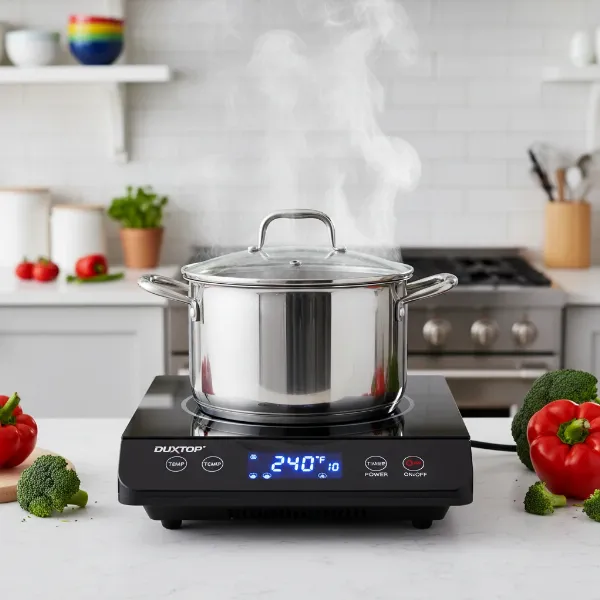
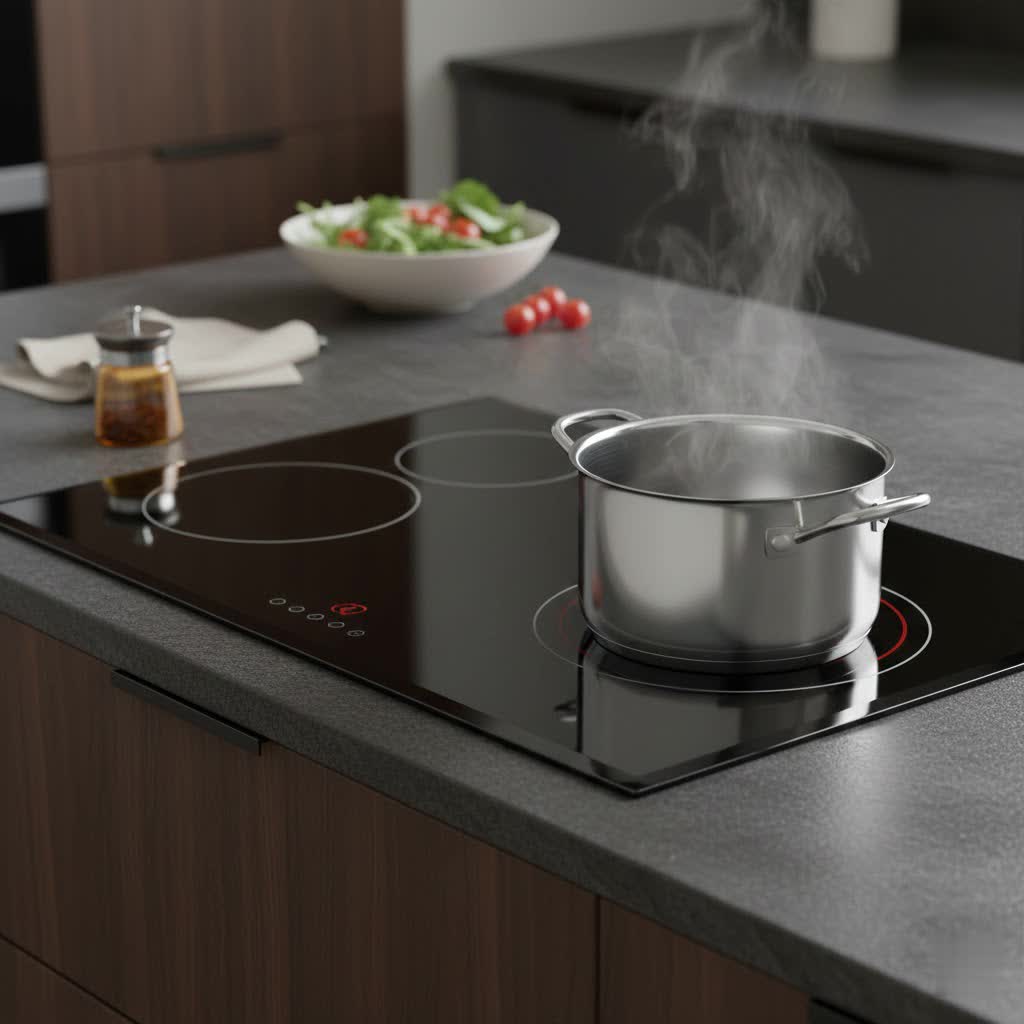
The rough, heavy bottom of a cast iron skillet can easily scratch delicate glass or ceramic stovetops. To avoid this, always lift your cast iron skillet on and off the cooktop; never slide it. For induction cooktops, a practical solution is to place a round silicone baking mat over the burner. This allows the induction heat to pass through, keeps the pan from sliding, and protects the stovetop surface. However, avoid using silicone mats for very high-heat searing, as they can burn at extreme temperatures [cite: 1 in concise search].
What to Do If Your Cast Iron Skillet Gets Scratched
Even with the best care, minor surface imperfections can occur. The approach to addressing scratches depends on whether your skillet is bare or enameled.
Addressing Surface Scratches on Bare Cast Iron
If your bare cast iron skillet develops minor scratches or looks dull, it often means the seasoning layer has been compromised in that spot. The good news is that bare cast iron is highly restorable. The primary remedy is re-seasoning. Clean the affected area thoroughly, ensuring no food debris remains. Then, apply a thin layer of cooking oil and heat the skillet to polymerize the oil, just as you would for initial seasoning. Repeat this process a few times. With consistent use and proper maintenance, the seasoning will rebuild, and the minor “scratch” will likely disappear as new layers of polymerized oil fill it in. If a rust spot appears (often due to not drying thoroughly), rinse it, dry it, heat it, and rub it down with oil; a few uses should re-season the spot.
Dealing with Scratches on Enameled Cast Iron
Scratches on enameled cast iron are more problematic, as the enamel is a permanent coating. Unlike bare cast iron, you cannot “re-season” enamel. If the scratch is superficial, it may only be a cosmetic issue. However, if the enamel is chipped and the raw metal underneath is exposed, Le Creuset advises that the product is “no longer safe to use” and should be immediately discontinued. This is because chipped enamel could potentially flake off and be ingested. Minor metal markings on glazed stoneware (similar to enamel) can sometimes be removed with a specialized cleaner like Bar Keeper’s Friend.
Common Cast Iron Myths Debunked
Many misconceptions surround cast iron care, often leading to unnecessary apprehension or incorrect practices that can cause damage.
- Myth: You can’t use soap on cast iron. False. Modern dish soaps are formulated to be gentle and will not strip a well-established seasoning layer. The old advice stemmed from harsh lye-based soaps that could damage seasoning.
- Myth: Metal utensils will ruin your cast iron. False for bare cast iron. A properly seasoned bare cast iron skillet is tough enough to withstand metal spatulas without significant damage to the seasoning. However, this is NOT true for enameled cast iron, which requires non-metal utensils.
- Myth: Cast iron gets hot evenly. False. Iron is a poor conductor of heat, meaning heat doesn’t spread far from its source. You need a large burner and sufficient time (5-7 minutes) for the pan to heat evenly across its surface.
Extending the Life of Your Cast Iron: Long-Term Care Tips
To ensure your cast iron skillets last a lifetime and perform optimally without scratching:
- Use it often: Frequent use, especially for oil-based cooking like frying or searing, continually reinforces the seasoning layer.
- Store wisely: Always use pan protectors or paper towels when stacking to prevent physical scratches and absorb moisture [cite: 5 in concise search, 1].
- Lift, don’t slide: Protect your stovetop by always lifting your cast iron skillet instead of sliding it across the surface.
- Avoid extreme temperature changes: Allow your pan to heat and cool gradually. Plunging a hot pan into cold water can cause thermal shock, potentially leading to warping or, in the case of enameled cast iron, cracking.
- Address issues promptly: Tackle rust or sticking immediately with appropriate cleaning and re-seasoning to prevent minor issues from escalating.
The key to a scratch-free cast iron experience lies in understanding the material, both bare and enameled, and adopting consistent care routines.
Cast iron skillets are an investment that pays dividends in culinary pleasure for years to come. By following these guidelines, you can confidently cook with, clean, and store your cast iron, preserving its integrity and performance. What culinary adventures will your perfectly maintained cast iron skillet inspire next?
Frequently Asked Questions
Can metal spatulas scratch a bare cast iron skillet?
No, a well-seasoned bare cast iron skillet is remarkably durable, and modern metal spatulas generally will not scratch out its polymerized oil coating. However, for enameled cast iron, metal utensils should be avoided to prevent damage to the enamel surface.
How do I prevent my cast iron from scratching my glass stovetop?
To prevent scratches on glass stovetops, always lift your cast iron skillet onto and off the surface instead of sliding it. For Induction Cooktops, placing a silicone baking mat under the skillet can also create a protective barrier, though caution is needed for very high heat.
What’s the best way to clean stuck food without scratching?
For bare cast iron, clean immediately while warm, using warm soapy water and a soft sponge or stiff nylon brush. For enameled cast iron, soak with warm soapy water to loosen residue, then clean with a soft, non-abrasive sponge. Avoid harsh metal scrubbers on both types.
Is it okay to use soap on cast iron?
Yes, it is perfectly fine to use modern dish soap on bare cast iron. Contemporary dish soaps are gentle and will not strip a well-developed seasoning layer. For enameled cast iron, warm soapy water is the standard cleaning method.
How often should I re-season my cast iron skillet?
For bare cast iron, you should re-season the pan with a thin layer of oil after every wash and dry, especially after cooking acidic foods or if food starts to stick. A full re-seasoning (heating in an oven multiple times) is needed only if the seasoning is significantly damaged or stripped.