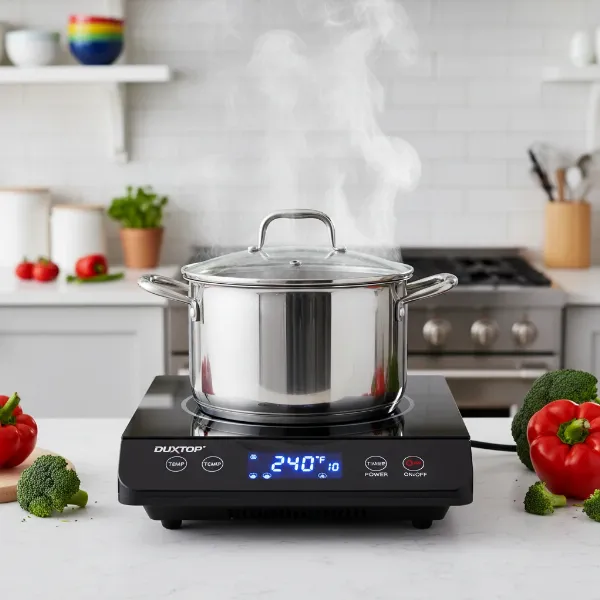
Cooking has evolved dramatically, moving from open flames to precise, energy-efficient technologies. Among these, the portable induction cooktop stands out as a versatile and powerful kitchen companion. For those seeking flexibility and high performance in a compact design, a model like the Gymax Portable Induction Cooktop promises to transform your culinary endeavors, whether in a small apartment, RV, or as an extra cooking zone for entertaining. This comprehensive review explores what makes portable induction cooktops, including the Gymax, a game-changer, covering their technology, benefits, selection tips, and usage guidelines to help you master modern cooking.
What is an Induction Cooktop?
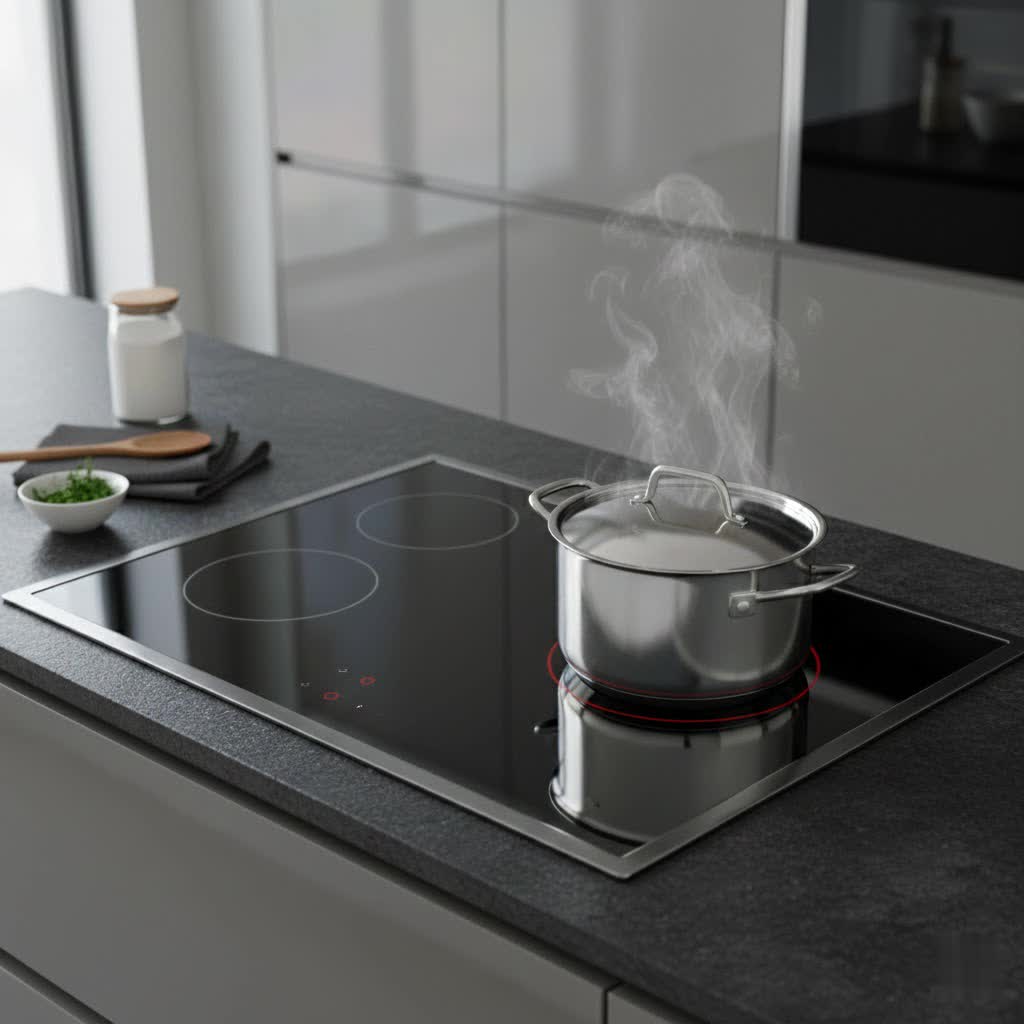
At its core, an induction cooktop represents a sophisticated leap in cooking technology. Unlike traditional gas or electric stoves that generate heat and then transfer it to cookware, induction cooking directly heats the cookware itself through electromagnetic fields. This fundamental difference accounts for its remarkable efficiency and speed.
How an Induction Cooktop Works
Table is empty.The magic of induction lies beneath its sleek glass surface. Here, electromagnetic coils produce a fluctuating magnetic field. When induction-compatible cookware (made of ferrous metals like cast iron or magnetic stainless steel) is placed on the cooktop, this magnetic field induces an electric current directly within the pot or pan. The resistance of the cookware to this current generates heat, causing the food inside to cook. The cooktop surface itself does not become hot, except for residual heat transferred back from the hot pan.
Components of an Induction Cooktop
A typical induction cooktop, including portable units like the Gymax, consists of several key components:
- Ceramic Glass Surface: A durable, easy-to-clean top that allows electromagnetic fields to pass through while remaining cool to the touch.
- Induction Coils: Copper coils located beneath the glass surface that generate the magnetic field.
- Control Panel: Often touch-sensitive or with digital dials, allowing users to adjust power levels, temperature, and set timers.
- Cooling Fan: Essential for dissipating heat generated by the internal electronics, especially during high-power operation.
- Microprocessor: Manages power output, safety features, and user input.
Advantages and Disadvantages of Induction Cooktops Compared to Other Stove Types
Induction cooktops offer compelling benefits over gas and traditional electric stoves:
Advantages:
- Exceptional Speed: Water boils significantly faster on an induction cooktop, often cutting cooking times dramatically.
- Precise Temperature Control: Heat adjustments are instantaneous, akin to gas, allowing for fine-tuned cooking from a gentle simmer to a rolling boil.
- Energy Efficiency: Because heat is generated directly in the cookware, minimal energy is wasted, making them highly efficient.
- Enhanced Safety: Without an open flame or glowing hot elements, the risk of burns and kitchen fires is reduced. Many units also feature automatic pan detection and shut-off.
- Easy to Clean: Spills are less likely to bake onto the cool glass surface, making cleanup a breeze.
- Cooler Kitchen Environment: Less heat escapes into the surrounding air, keeping your kitchen more comfortable, especially in warmer climates.
Disadvantages:
- Cookware Compatibility: Requires specific induction-compatible (ferrous) cookware. Non-magnetic pots and pans will not work.
- Initial Cost: May have a higher upfront cost compared to basic electric coil or gas cooktops, though portable models are often more affordable.
- Learning Curve: The rapid response and different feel may require a brief adjustment period for those accustomed to other cooking methods.
- Fan Noise: The internal cooling fan can sometimes be audible, particularly on higher settings.
- Potential for Glass Surface Damage: While durable, the glass surface can scratch or crack if heavy objects are dropped on it.
Classifying Induction Cooktops
Induction cooktops come in various configurations, each designed to suit different kitchen needs and lifestyles. Understanding these classifications helps in choosing the right unit for your home, whether it’s a robust built-in model or a convenient portable one like the Gymax.
By Number of Cooking Zones
- Single-Zone Induction Cooktops: These are the most common portable models, featuring one burner. They are ideal for small kitchens, dorm rooms, RVs, camping, or as an additional cooking surface. A Gymax portable unit would typically fall into this category, offering focused power for individual tasks.
- Double-Zone Induction Cooktops: Offering two burners, these models provide more versatility for cooking multiple dishes simultaneously. Some portable units come in this configuration, while others are built-in.
- Multi-Zone Induction Cooktops (3, 4, or More): Primarily found in built-in kitchen ranges, these cooktops integrate into countertops and offer multiple cooking zones for a full-sized cooking experience.
By Design Type
- Freestanding (Portable) Induction Cooktops: Designed for mobility and countertop use. These units are plug-and-play, easy to store, and perfect for expanding cooking capacity or for temporary setups. The Gymax Portable Induction Cooktop is an excellent example of this design, emphasizing convenience and flexibility.
- Built-in (Integrated) Induction Cooktops: These are installed directly into kitchen countertops, offering a seamless and permanent look. They often feature more advanced controls and larger cooking zones.
By Features and Technology
Modern induction cooktops boast a range of features that enhance cooking experience and efficiency:
- Inverter Technology: Many advanced induction cooktops, including some portable models, incorporate inverter technology. This allows for continuous, consistent heating at lower power settings, preventing the “pulsing” effect common in older models that cycle on and off to maintain low temperatures. This results in more stable simmering and delicate cooking.
- Booster Function: This feature temporarily directs maximum power to a single cooking zone, allowing for incredibly fast boiling or searing. It’s perfect for quickly heating large pots of water for pasta or bringing oil to temperature for stir-frying.
- Automatic Cooking Modes: Some cooktops offer preset programs for specific tasks like boiling, simmering, frying, or keeping warm, simplifying cooking for various dishes.
- Sensor Touch Controls: A sleek, easy-to-clean glass interface with touch-sensitive buttons for power, temperature, and timer settings.
- Digital Display: Provides clear readouts of power levels, temperature, and remaining timer duration.
- Safety Features: Includes pan detection (cooktop won’t heat without compatible cookware), automatic shut-off (after a period of inactivity or if a pan is removed), overheat protection, and child safety locks.
- Timer Function: Allows you to set a specific cooking duration, after which the cooktop automatically turns off, preventing overcooking and offering peace of mind.
Choosing the Right Portable Induction Cooktop
Selecting a portable induction cooktop requires careful consideration of your specific needs, cooking habits, and kitchen space. A model like the Gymax Portable Induction Cooktop might be an excellent choice, but here’s how to evaluate any portable unit to ensure it meets your expectations.
Determine Your Usage Needs
- Family Size & Cooking Frequency: For solo cooking or occasional use, a single-burner unit is sufficient. For regular meal prep or multiple dishes, consider power levels and stable temperature control for versatile cooking.
- Types of Dishes: If you primarily boil water, a high wattage is key. For delicate sauces or slow cooking, look for models with many low-temperature settings or inverter technology for consistent heat.
- Portability: If you plan to move the cooktop frequently (e.g., for camping, outdoor cooking, or moving between rooms), prioritize lightweight and compact designs.
Size and Design Considerations
- Footprint: Measure your available countertop space to ensure the portable cooktop fits comfortably without obstructing other appliances.
- Aesthetics: Portable induction cooktops often feature sleek, black ceramic glass surfaces that blend well with modern kitchen décors. Consider if the design and control layout (buttons vs. touch sliders) appeal to you.
Power, Features, and Technology
- Wattage: Most portable induction cooktops range from 1,300W to 1,800W. Higher wattage generally means faster heating. An 1,800W unit is powerful enough for most everyday cooking tasks.
- Temperature and Power Settings: Look for a wide range of settings, typically between 8-15 power levels or specific temperature increments (e.g., 140°F to 460°F). More increments allow for greater control over your cooking.
- Timer: A built-in timer with auto-shutoff is invaluable for simmering or slow cooking, preventing food from burning and enhancing safety.
- Safety Features: Essential features include automatic pan detection, overheat protection, and a child safety lock. These ensure the unit operates safely and prevents accidental activation.
- Ease of Cleaning: A smooth, seamless glass surface is easiest to wipe clean.
Brand Reputation and Warranty
While direct review data for a specific Gymax Portable Induction Cooktop might be limited, it’s generally wise to consider the brand’s reputation for kitchen appliances. Look for brands known for reliability and customer support. A good warranty (typically 1-2 years) provides peace of mind. Check user reviews on general portable induction cooktops to understand common issues or praises, which can apply to any similar product.
General Usage and Maintenance for Portable Induction Cooktops
Maximizing the lifespan and performance of your portable induction cooktop, such as a Gymax model, involves understanding proper usage and diligent maintenance.
How to Use the Functions
- Placement: Always place the cooktop on a stable, flat, non-metallic surface with adequate ventilation around the unit.
- Cookware: Ensure your cookware is induction-compatible. A simple magnet test (if it sticks firmly to the bottom, it’s compatible) is a quick way to check. Use flat-bottomed pans that cover the induction zone well for optimal heating.
- Power On/Off: Most units have a dedicated power button. Press it to turn the unit on, then place your pan on the surface.
- Adjusting Heat: Use the power level or temperature setting buttons/sliders to achieve your desired heat. Remember that induction reacts quickly, so start with moderate settings and adjust as needed.
- Timer: Utilize the timer for recipes requiring precise cooking durations. The cooktop will typically turn off automatically once the set time expires.
Cleaning and Maintenance
- Cool Down First: Always allow the cooktop to cool completely before cleaning to prevent burns and allow any baked-on food to soften slightly.
- Daily Cleaning: Wipe the glass surface with a soft, damp cloth and mild dish soap to remove spills and splatters. For stubborn stains, a non-abrasive cooktop cleaner can be used. Avoid abrasive sponges or harsh chemicals that can scratch the glass.
- Ventilation: Keep the air intake and exhaust vents clear of debris to ensure proper cooling of the internal components.
- Storage: If storing the portable unit, ensure it’s clean and dry. Store it in a safe place where the glass surface won’t be scratched or damaged by other items.
Safety Precautions
- Read the Manual: Always refer to your specific cooktop’s instruction manual for detailed safety information and operating procedures.
- Proper Cookware: Use only induction-ready cookware.
- Ventilation: Do not block the vents.
- Unplug When Not in Use: Always unplug the cooktop from the power outlet when not in use or during cleaning.
- Avoid Overloading: Do not place excessively heavy pots or pans on the cooktop, as this could damage the glass surface.
- Keep Away from Water: Like all electrical appliances, keep the cooktop away from water to prevent electrical shock.
Common Portable Induction Cooktop Issues and Troubleshooting
Even reliable appliances can encounter occasional hiccups. Understanding common issues and simple troubleshooting steps can help you quickly resolve problems with your portable induction cooktop.
Cooktop Not Heating Up
- No Power: Check if the unit is plugged in correctly and if the power outlet is functioning. Test with another appliance.
- No Cookware or Incorrect Cookware: The cooktop requires induction-compatible cookware to be placed on the cooking zone. Ensure the pan is magnetic and centered on the burner. If the pan is too small, it might not be detected.
- Error Code: Look for an error code on the display. Refer to your user manual to decipher the code and follow the recommended troubleshooting steps. Common codes might indicate overheating, incorrect pan, or voltage issues.
Cooktop Displays an Error Code
- Consult the Manual: Every induction cooktop has specific error codes. Your user manual is the best resource for understanding what each code means and how to resolve it.
- Common Causes: Error codes often point to issues like:
- E0/E1/E2: Overheating (let the unit cool down).
- E3/E4: Voltage fluctuation (check power supply).
- E5/E6: Pan detection issues (reposition or replace cookware).
Glass Surface Cracks
- Impact Damage: Cracks usually result from heavy objects being dropped on the glass surface or pans being slammed down forcefully. Induction cooktop surfaces are strong but not indestructible.
- Heat Shock: While rare with induction, extreme temperature differences (e.g., placing a very cold pan on a very hot spot, or vice-versa) can potentially cause stress on the glass.
- Professional Repair: A cracked glass surface is a significant safety hazard and typically requires professional repair or replacement of the unit. Do not continue to use a cooktop with a cracked surface.
Induction Cooktops vs. Infrared Cooktops
When considering a modern electric cooktop, induction and infrared are two popular choices. While both are electric, their underlying technology and performance characteristics differ significantly.
| Feature | Induction Cooktop | Infrared Cooktop (Ceramic/Radiant) |
|---|---|---|
| Heating Method | Electromagnetic fields directly heat cookware. | Radiant heat from glowing coils beneath glass. |
| Efficiency | Highly efficient (up to 90% transfer). | Less efficient (around 60-70% transfer). |
| Speed | Extremely fast; instantaneous heat changes. | Slower to heat up and cool down. |
| Temperature Control | Precise and instantaneous. | Less precise; slower to respond to changes. |
| Cooktop Surface | Remains relatively cool (only residual heat). | Becomes very hot and stays hot for a while. |
| Cookware | Requires magnetic (ferrous) cookware. | Compatible with all types of flat-bottomed cookware. |
| Safety | High safety (no open flame, cool surface, pan detection). | Lower safety (hot surface, burn risk). |
| Energy Consumption | Lower operating costs due to high efficiency. | Higher operating costs. |
| Cleaning | Very easy, spills don’t bake on. | Can be challenging, spills bake on hot surface. |
| Visual Indicator | No visual glow; often has indicator lights. | Surface glows red when hot. |
Frequently Asked Questions About Portable Induction Cooktops
What kind of pots and pans do I need for a portable induction cooktop?
You need induction-compatible cookware, which means pots and pans with a flat bottom made of a magnetic material such as cast iron, magnetic stainless steel, or enameled steel. A simple test is to see if a magnet sticks firmly to the bottom of your pot or pan.
Are portable induction cooktops safe to use?
Yes, they are generally considered very safe. They don’t have an open flame or exposed heating elements, and the surface only gets hot from the heat transferred back from the pan. Most models also include safety features like automatic pan detection and auto-shutoff.
Can I use a portable induction cooktop for camping or outdoors?
Yes, their portability makes them excellent for camping, RVs, outdoor kitchens, or even as an extra burner for holiday gatherings, provided you have a suitable power outlet. Ensure the unit is protected from the elements.
How do I clean my portable induction cooktop?
Allow the cooktop to cool completely. Then, simply wipe the smooth glass surface with a damp cloth and mild detergent. For stubborn spots, use a non-abrasive cooktop cleaner. Avoid harsh chemicals or abrasive scrubbers.
Do portable induction cooktops make noise?
Yes, most induction cooktops have an internal cooling fan that can produce a humming sound, especially at higher power settings. Some users may also notice a slight buzzing sound from certain types of cookware, which is normal.
Where to Buy a Portable Induction Cooktop
Portable induction cooktops are widely available both online and in physical retail stores. For a Gymax Portable Induction Cooktop, or similar models, you can typically find them at:
- Major Online Retailers: Websites like Amazon, Walmart, Target, and others often carry a wide selection of portable induction cooktops from various brands, offering convenience and competitive pricing.
- Home Appliance Stores: Larger electronics or home goods stores usually have a dedicated kitchen appliance section where you can find and compare different models.
- Specialty Kitchen Stores: These stores may offer a curated selection of higher-end or unique induction cooktops.
When purchasing, always check for seller reputation, warranty information, and return policies. Reading user reviews can also provide valuable insights into real-world performance and customer satisfaction.
Conclusion
The Gymax Portable Induction Cooktop, representing the broader category of portable induction technology, offers a compelling blend of speed, precision, and efficiency that can revolutionize your cooking. Whether you’re a seasoned chef looking for an auxiliary burner or someone in a small living space craving powerful cooking capabilities, the benefits are undeniable. With instantaneous heat adjustments, enhanced safety features, and effortless cleanup, these cooktops provide a modern, versatile solution for a wide range of culinary needs. Embrace the future of cooking and discover how a portable induction cooktop can elevate your everyday meals.
Are you ready to experience the unmatched control and efficiency that a portable Induction Cooktop brings to your kitchen?