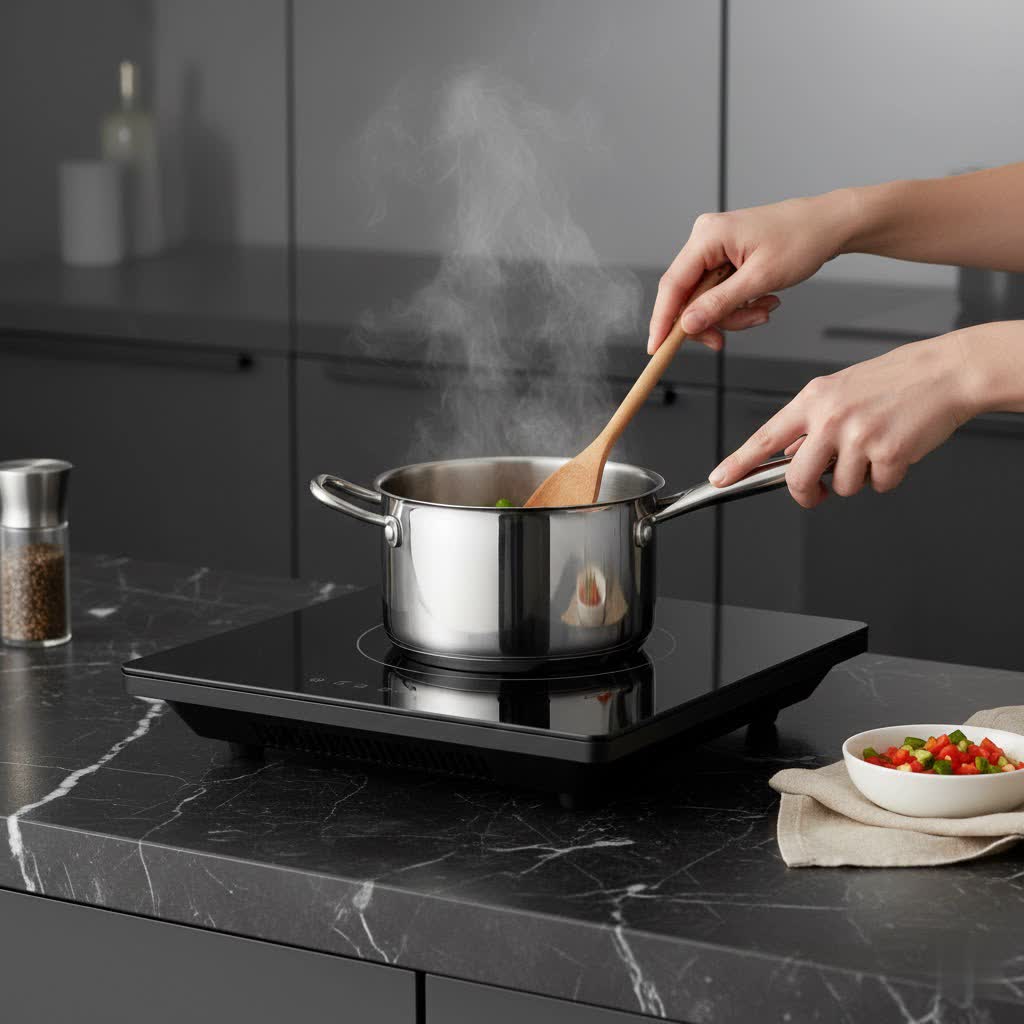
Modern kitchens are increasingly adopting induction cooktops for their efficiency and sleek design. But for individuals living with a pacemaker, a crucial question arises: are induction cooktops safe? The concern stems from the electromagnetic fields these appliances generate, which could potentially interfere with implanted medical devices. This article aims to cut through the confusion, offering clear guidelines, essential safety tips, and expert advice to help you understand the compatibility between pacemakers and induction cooking technology.
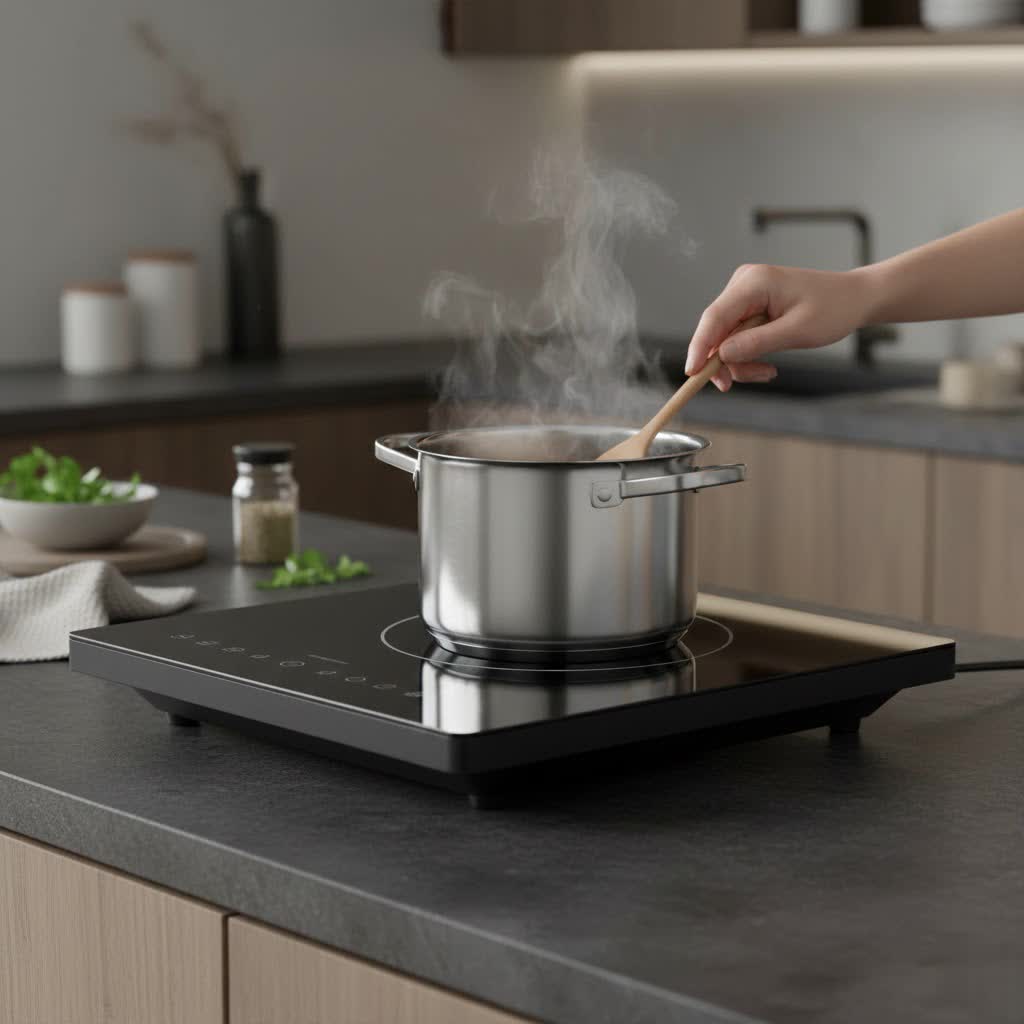
Understanding Pacemakers and Induction Cooktops
Navigating daily life with a medical implant means being mindful of your surroundings, especially when it comes to technology that emits electromagnetic fields. To assess the safety of induction cooktops for pacemaker users, it’s essential to first understand how each technology functions independently.
How Pacemakers Work
|
Our Picks for the Best Induction cooktop in 2026
As an Amazon Associate I earn from qualifying purchases.
|
||
| Num | Product | Action |
|---|---|---|
| 1 | ChangBERT Induction Cooktop NSF Certified Professional Chef Edition Stove, 1800W Commercial Induction Burner with Schott Glass, Large Heating Coil Electric Hot Plate for Restaurant Hotel Food Station |

|
| 2 | Duxtop 1800W Portable Induction Cooktop Countertop Burner, Gold 8100MC/BT-180G3 |
|
| 3 | ChangBERT Induction Cooktop, Commercial Grade Portable Cooker, Large 8” Heating Coil, Premium Stainless Steel Countertop Burner with NSF Certified, 10 Hours Timer Powerful 1800W Professional Hot Plate |
|
| 4 | Nuwave Double Pro Cooktop Induction Countertop Burner, Portable, 900/1500/1800W with Dynamic Watt Technology, 50°F to 575°F, 8” Heating Coil, Shatter-Proof Ceramic Glass, Seamless IMD Touch Panel |
|
| 5 | Duxtop Portable Induction Cooktop, Countertop Burner Induction Hot Plate with LCD Sensor Touch 1800 Watts, Silver 9600LS BT-200DZ |
|
| 6 | Nuwave Pro Chef Induction Cooktop, NSF-Certified, Commercial-Grade, Portable, Powerful 1800W, Large 8” Heating Coil, 94 Temp Settings 100°F - 575°F in 5°F, Shatter-Proof Ceramic Glass Surface |
|
| 7 | Empava Portable Induction Hot Plate Cooktop, Single 1 Burner Countertop Cooker, 3 Preset Modes, Shatter-proof Flat Glass Top, 110~120 Volt Plug in Electric Stove for Kitchen, Outdoor Camping, RV |
|
| 8 | Nuwave Flex Precision Induction Cooktop, 10.25” Shatter-Proof Ceramic Glass, 6.5” Heating Coil, 45 Temps from 100°F to 500°F, 3 Wattage Settings 600, 900 & 1300 Watts, Black |
|
| 9 | Amazon Basics 1800W Portable Electric Induction Cooktop, Burner and Child Lock, Overheat Protection, Timer, 8 Power Settings, Temperature Control Up to 440°F, for Cookware Diameter 5.7"-8.2", Black |
|
| 10 | ChangBERT Portable Induction Cooktop Enhanced Version, One-Click Max Power 1800W Large Heating Coil Burner, Precise Temperature Control, NSF Certified Commercial Grade Low Noise Hot Plate |
|
A pacemaker is a small, battery-powered medical device implanted under the skin, usually near the collarbone. Its primary role is to monitor and regulate the heart’s rhythm. If the heart beats too slowly or irregularly, the pacemaker sends electrical pulses to stimulate it, ensuring a consistent and healthy heartbeat. These devices are critical for maintaining cardiovascular health, and their uninterrupted function is paramount.
How Induction Cooktops Generate Heat
Unlike traditional gas or electric resistance cooktops that use direct flames or heated elements, induction cooktops operate on a principle called electromagnetic induction. Beneath the ceramic glass surface are copper coils. When electricity passes through these coils, it creates an oscillating magnetic field. This field induces electric currents (eddy currents) directly within the ferromagnetic cookware placed on the hob, causing the pot itself to heat up. This highly efficient method transfers heat directly to the pan, rather than heating the surface or the air around it.
The Potential for Electromagnetic Interference (EMI)
The very mechanism that makes induction cooktops so efficient—the generation of electromagnetic fields—also introduces a potential risk for individuals with pacemakers. These fields can sometimes create Electromagnetic Interference (EMI), which might be “read” by the pacemaker as cardiac activity. Such interference could potentially disrupt the pacemaker’s normal operation, leading to a temporary change in its pacing mode or even causing it to temporarily turn off or alter its activity.
Historical Context and Evolving Guidelines
Concerns about electromagnetic interference with pacemakers are not new, but modern advancements in both medical devices and kitchen appliances have significantly shaped current recommendations. Understanding this evolution helps contextualize today’s safety advice.
Early Concerns vs. Modern Pacemakers
In the past, pacemakers were more susceptible to electromagnetic interference due to less sophisticated shielding and sensing technologies. As a result, many early guidelines were extremely cautious, often recommending that pacemaker users avoid induction cooktops altogether. However, modern pacemakers are designed with enhanced filtering and insulation to improve their immunity to external electromagnetic fields. While these advancements have reduced the overall risk, they have not eliminated it entirely, meaning caution and adherence to guidelines remain important.
Official Recommendations from Medical Bodies
Leading medical organizations consistently provide guidance on pacemaker safety. The British Heart Foundation (BHF), for instance, advises that anything producing a strong electromagnetic field can potentially interfere with a pacemaker. For induction hobs, the BHF recommends maintaining a distance of at least 60 centimeters (approximately 2 feet) between the stovetop and your pacemaker. This precaution allows most individuals to safely use an induction cooktop, provided they follow the recommended distance.
“Pacemakers are small electrical devices that regulate electrical activity in the heart. Anything that produces a strong electromagnetic field can interfere with a pacemaker. Induction hobs do generate electromagnetic fields, so keep a distance of at least 60cm (2ft) between the stovetop and your pacemaker.” – Dr. Mike Knapton, Associate Medical Director at the British Heart Foundation
Deciphering the Interaction: Risks and Factors
The interaction between an induction cooktop’s electromagnetic field and a pacemaker is complex, with several factors influencing the potential for interference. Understanding these elements is key to mitigating any risks.
The Phenomenon of Electromagnetic Interference (EMI)
Electromagnetic Interference (EMI) occurs when the electromagnetic fields generated by the induction cooktop disrupt the normal sensing and pacing functions of a pacemaker. This disruption can trick the pacemaker into misinterpreting external signals as heart activity, potentially causing it to:
- Switch to an asynchronous mode: The pacemaker might ignore the heart’s natural rhythm and pace at a fixed rate, regardless of the body’s needs.
- Temporarily cease pacing: In some rare cases, interference could cause the device to temporarily stop delivering pulses.
- Alter its activity: The pacemaker might change its mode of operation or even temporarily turn itself off.
Some modern pacemakers, such as certain Medtronic devices, are designed to emit a continuous beep for at least five seconds if they encounter a problematic electric field, signaling potential interference. In such cases, moving away from the source should allow the pacemaker to return to its normal settings.
Critical Factors Influencing Risk
Several variables determine the likelihood and severity of pacemaker interference from an induction cooktop:
- Distance: This is arguably the most crucial factor. The strength of electromagnetic fields rapidly diminishes with distance. While the British Heart Foundation recommends a conservative 60cm (2 feet), some studies suggest that maintaining a distance of 35cm can reduce induced voltage to safe levels (below 60mV), even though the most sensitive pacemakers might react at 90.5mV. It is always safer to err on the side of greater distance.
- Pacemaker Type: Not all pacemakers are created equal. Unipolar pacemakers, which use a single lead, are generally more susceptible to EMI than bipolar pacemakers, which use two leads and offer better immunity to external fields.
- Implant Location: The position of the pacemaker implant also plays a role. Devices implanted on the left side of the chest may be more vulnerable to interference from a cooktop, especially if the user is right-handed and leans closer to the stove.
- Cookware and Usage: The type of cookware and how it’s used can affect the stray electromagnetic fields. If a pot is not concentric with the induction coil, or if a patient touches a metal pot for extended periods, it can induce higher voltages and leakage currents, increasing the risk, particularly for unipolar systems. Using appropriate, flat-bottomed, ferromagnetic cookware that covers the induction zone well can help minimize stray fields.
- Cooktop Power: Higher power settings on an induction cooktop generally generate stronger electromagnetic fields, which could potentially increase the risk of interference if other safety precautions are not followed.
What Happens During Interference?
Should a pacemaker encounter significant electromagnetic interference, its programmed behavior might be temporarily altered. The most common response is for the device to switch to an asynchronous interference mode. This means it will continue pacing at a fixed rate, ignoring the heart’s natural electrical signals, until the interference source is removed. While this is usually a temporary safety mechanism, it underscores the importance of minimizing exposure to strong EMF. For some devices, like certain Medtronic pacemakers, a warning beep might sound, indicating that the device has detected an electric field and has entered a temporary “sleep mode” to prevent issues. In such scenarios, the device settings are generally not permanently altered or damaged.
Practical Safety Measures for Pacemaker Users
While induction cooktops pose a potential risk, many pacemaker users can still enjoy the benefits of this cooking technology by adopting a few simple yet crucial safety measures.
Maintain a Safe Distance
The cornerstone of safety for pacemaker users with induction cooktops is distance. Most medical professionals and organizations, including the British Heart Foundation, recommend keeping at least 60 centimeters (2 feet) away from an active induction cooktop. This distance significantly reduces the strength of the electromagnetic field reaching the pacemaker. When cooking, try to utilize back burners to naturally increase your distance from the heat source and your device.
Mind Your Posture and Movement
Avoid leaning directly over the induction cooktop while it’s in operation. Sustained close proximity, especially with the pacemaker implant directly over the cooking zone, can increase exposure to EMF. If you need to stir or interact with pots, do so quickly and from a comfortable distance, perhaps using a long-handled utensil.
Select Appropriate Cookware
Always use cookware specifically designed for induction cooking. These pots and pans have a flat, magnetic bottom that ensures efficient heat transfer and minimizes the release of stray electromagnetic fields. Ill-fitting or non-compatible cookware can cause the cooktop to work harder, potentially increasing EMF emissions. Additionally, when touching pots, consider using heatproof plastic or wooden utensils rather than metal ones, and if you must touch a metal handle, a silicone glove might offer some insulation [cite: 3, 5 (reddit)].
When in Doubt, Consult Your Doctor
Personalized medical advice is irreplaceable. Before using an induction cooktop, or if you have any concerns, always consult your cardiologist or the manufacturer of your pacemaker. They can provide specific recommendations based on your individual pacemaker model, implant location, and medical history. Your clinic can also offer detailed written information about devices to avoid or use with caution.
Be Aware of Other EMF Sources
It’s important to remember that induction cooktops are not the only household items that generate electromagnetic fields. Other appliances such as handheld hairdryers, older shavers with electrical cords, large stereo speakers, electric toothbrushes, and ultrasonic toothbrush chargers also produce EMF. While these usually require a smaller safe distance (around 16 cm or 6 inches), it’s good practice to be generally aware of potential interactions with your pacemaker. Conversely, devices like abdominal stimulators, electronic body fat scales, magnetic mattress pads, and welding equipment should be avoided entirely.
Addressing Common Misconceptions
Despite clearer guidelines, several myths persist regarding pacemakers and induction cooktops that can cause unnecessary anxiety or, conversely, lead to a false sense of security.
- Myth: Induction cooktops are completely off-limits for anyone with a pacemaker.
- Fact: While caution is necessary, most individuals with pacemakers can safely use induction cooktops by maintaining recommended distances and adhering to other safety guidelines. It’s about informed usage, not outright prohibition.
- Myth: All pacemakers react identically to induction cooktops.
- Fact: The reality is more nuanced. Factors like the specific type of pacemaker (unipolar vs. bipolar), the implant’s location (left-sided implants being more vulnerable), and even the cooktop’s power settings can influence the risk and nature of potential interference. Always refer to your device’s specific manufacturer guidelines and your doctor’s advice.
- Myth: Interference will permanently damage my pacemaker.
- Fact: While interference can temporarily alter a pacemaker’s function (e.g., switching to an asynchronous mode), it is generally designed to revert to its normal settings once the interference source is removed. Modern devices typically have protective features and are not easily “screwed up” or destroyed by typical household EMF exposure [cite: 5 (reddit)].
Induction vs. Traditional Cooktops: A Safety Comparison
When choosing a new kitchen appliance, pacemaker users often weigh the safety profiles of different cooktop types. Understanding the differences in how they operate is crucial.
- Gas Cooktops: These use an open flame to heat cookware. They do not produce significant electromagnetic fields and therefore pose no known direct electromagnetic interference risk to pacemakers.
- Electric Resistance Cooktops (Coil or Smooth Top Radiant): These cooktops use heated electric elements to transfer heat to cookware. They generate very low levels of electromagnetic fields, which are generally not considered a risk to pacemakers.
- Induction Cooktops: As discussed, these generate heat using powerful electromagnetic fields. While highly efficient, they require specific precautions for pacemaker users due to the potential for EMI.
For those with significant concerns about EMI, or if maintaining the recommended safe distance is consistently challenging due to kitchen layout or personal mobility, a gas or standard electric cooktop might offer greater peace of mind. However, for many, induction remains a viable and safe option with proper adherence to guidelines.
Technological Advancements in Safety
The fields of medical device technology and appliance manufacturing are continuously evolving. Pacemaker manufacturers are constantly improving the shielding and filtering capabilities of their devices, making them more resilient to external electromagnetic interference. Similarly, induction cooktop manufacturers are exploring ways to reduce stray electromagnetic field emissions, although this is a complex challenge inherent to the technology. These ongoing advancements contribute to making induction cooking safer and more accessible for pacemaker users.
What to Do if You Suspect Interference
Even with precautions, it’s vital to know what to do if you suspect your pacemaker is being affected by an induction cooktop.
- Move Away Immediately: The most important step is to immediately increase your distance from the cooktop. Moving away should allow your pacemaker to return to its normal functioning.
- Turn Off the Cooktop: If possible and safe to do so, turn off the induction cooktop.
- Monitor Your Symptoms: Pay attention to any unusual symptoms, such as dizziness, lightheadedness, or palpitations.
- Contact Your Doctor: Inform your cardiologist or pacemaker clinic about the incident, even if symptoms subside. They can check your device to ensure it’s functioning correctly and provide further guidance. If you have a device that beeps to signal interference, report this to your doctor as well [cite: 5 (reddit)].
Frequently Asked Questions
Can an induction cooktop permanently damage my pacemaker?
No, induction cooktops are highly unlikely to cause permanent damage to a pacemaker. While strong electromagnetic fields can temporarily interfere with its function, causing it to switch modes, modern pacemakers are designed with protective features that revert to normal operation once the interference source is removed.
What is the absolute minimum safe distance for an induction cooktop and a pacemaker?
The British Heart Foundation recommends maintaining a distance of at least 60 centimeters (2 feet) between your pacemaker and an active induction cooktop to minimize any risk of interference. Some technical studies suggest 35 cm can reduce induced voltage to safe levels, but 60 cm is the widely accepted conservative recommendation.
Are there specific types of pacemakers more vulnerable to induction cooktops?
Yes, unipolar pacemakers are generally more susceptible to electromagnetic interference than bipolar devices, which offer better immunity. Additionally, pacemakers implanted on the left side of the chest may be more vulnerable due to their proximity to the cooktop.
Should I avoid induction cooktops entirely if I have a pacemaker?
Not necessarily. While they generate electromagnetic fields, many pacemaker users can safely use induction cooktops by following strict precautions, such as maintaining a safe distance, using appropriate cookware, and consulting their cardiologist for personalized advice.
What are the signs of pacemaker interference from an induction cooktop?
Signs of interference can include dizziness, lightheadedness, heart palpitations, or a feeling of unease. Some modern pacemakers might emit a continuous beep if they detect significant electromagnetic interference [cite: 5 (reddit)]. If you experience any such symptoms, move away from the cooktop immediately.
Can old induction cooktops be more dangerous for pacemaker users than new ones?
While there’s no definitive public data indicating older models are “more dangerous,” newer induction cooktops and pacemakers often incorporate improved technology and shielding. However, the fundamental principle of electromagnetic induction remains, so adherence to distance guidelines is always crucial regardless of appliance age.
Is it safe to stand near an induction cooktop when someone else is cooking?
Yes, it is generally safe to stand near an induction cooktop if someone else is cooking, provided you maintain the recommended safe distance of at least 60 centimeters (2 feet) from the active cooking zones. This distance is key to minimizing exposure to electromagnetic fields.
Conclusion
The integration of advanced technologies like induction cooktops into our homes presents both convenience and new considerations, particularly for those with implanted medical devices like pacemakers. While induction cooktops generate electromagnetic fields that can potentially interfere with pacemakers, the good news is that for most individuals, safe usage is entirely possible by understanding the risks and implementing simple precautions. The critical takeaway is to maintain a distance of at at least 60 centimeters (2 feet) from the active cooking surface, be mindful of your pacemaker type and implant location, and use appropriate cookware.
Ultimately, the best course of action is to engage in an open dialogue with your cardiologist or pacemaker manufacturer. They possess the specific knowledge about your device to provide tailored advice, ensuring your safety and peace of mind in the kitchen. Are you confident in adapting your cooking habits to safely embrace induction technology, or do you find a traditional cooktop offers greater comfort?